
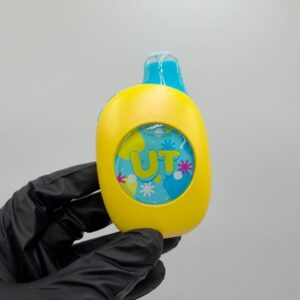
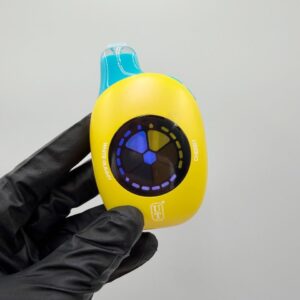



UT Bar Nicotine Vape: Complete Informational Guide
Introduction to UT Bar Nicotine Vape
The terms UT Bar Nicotine Vape, ut bar nicotine, and ut bars nicotine are used by many people searching for information about nicotine vaping products, particularly disposable devices. These products are part of a broader category known as nicotine delivery systems, which provide an alternative to traditional combustible tobacco products.
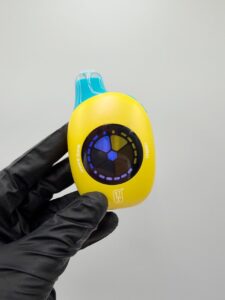
What Is UT Bar Nicotine Vape?
Understanding the Term
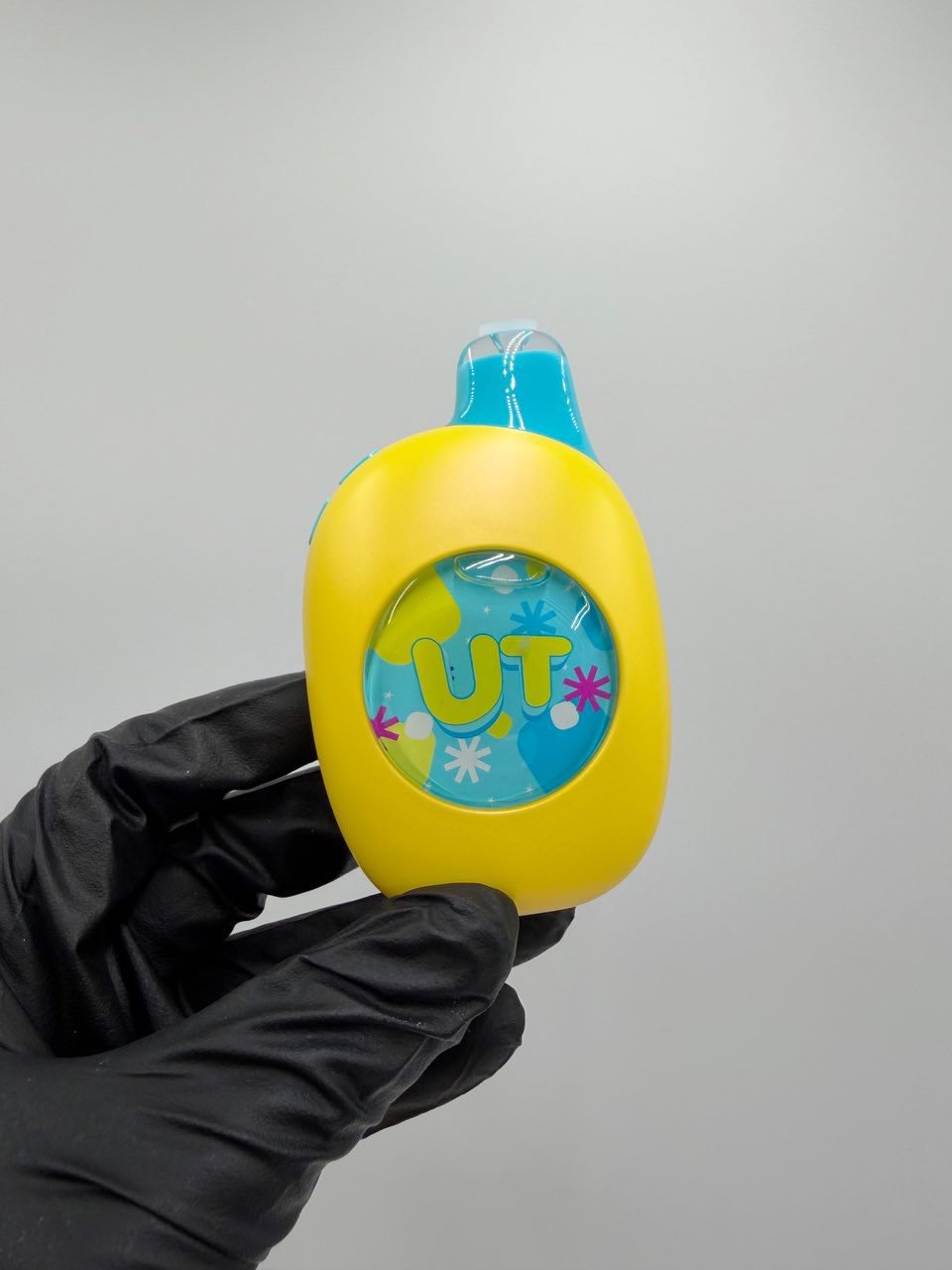
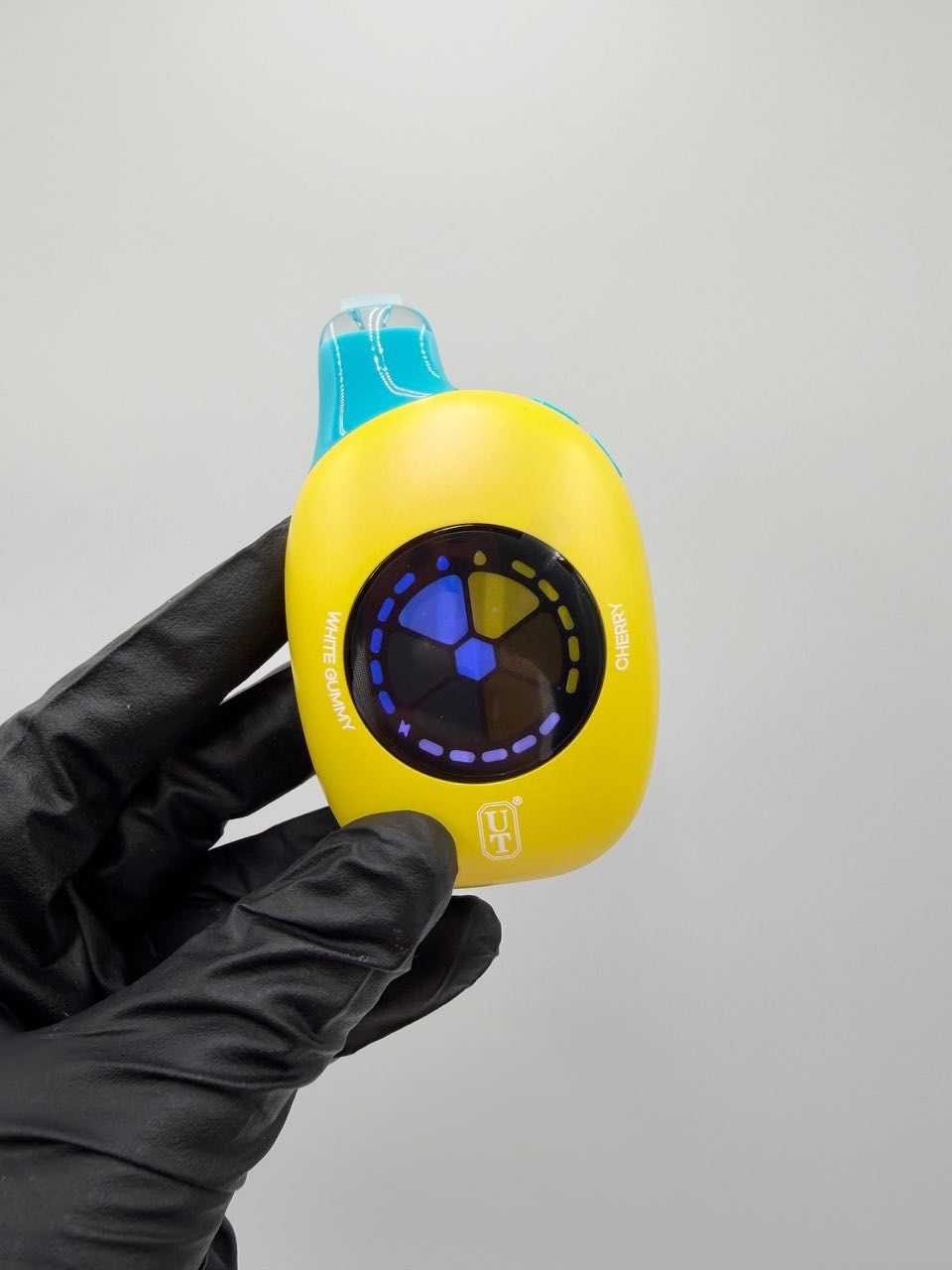
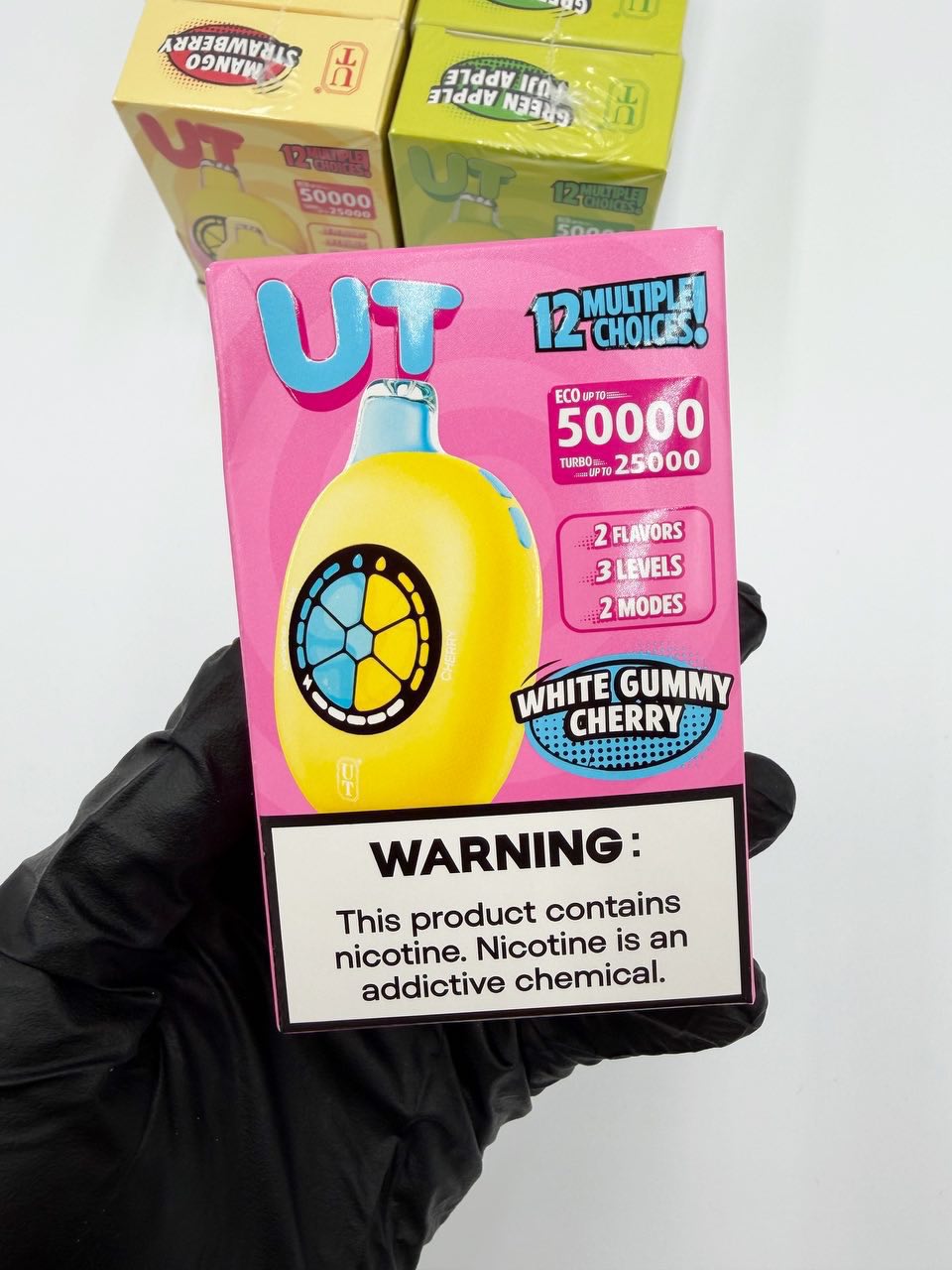
The phrase UT Bar Nicotine Vape typically refers to a brand or type of disposable nicotine vaping device that delivers an inhalable aerosol containing nicotine. The term ut bar nicotine or ut bars nicotine often appears in search queries when consumers are looking for specific device models, flavors, usage instructions, or safety information.
These types of devices are commonly known as disposable nicotine vapes, vape bars, or nicotine vape pens, and they are designed for one-time use until the internal e-liquid and battery are depleted.
Key Characteristics
Nicotine vapes in this category generally share the following features:
- Pre-filled with nicotine-containing e-liquid
- Powered by an internal battery
- Activated by inhalation (draw-activated)
- Compact, lightweight, and portable
- No need for refilling or recharging (in most cases)
How Nicotine Vaping Works
The Basic Mechanism
Nicotine vaping devices function by heating an e-liquid to create an aerosol (often referred to as “vapor”) that users inhale into their lungs. The key components involved in this process include:
- Battery: Supplies power to the heating element
- Heating Coil (Atomizer): Converts electrical energy to heat
- E-liquid Reservoir: Contains the liquid formulation
- Mouthpiece: Delivers aerosol to the user
When a user inhales through the mouthpiece, the battery activates the heating coil, which vaporizes the e-liquid and produces an aerosol that carries nicotine and flavor compounds.
E-liquid Components
Typical e-liquid formulations used in nicotine vapes include:
- Nicotine: The active compound derived from tobacco
- Vegetable Glycerin (VG): A thick base that produces vapor
- Propylene Glycol (PG): A thinner base that carries flavor and may provide throat sensation
- Flavorings: Add taste profiles to the aerosol
It is important to understand that the specific composition of e-liquid varies between products and manufacturers.
Nicotine: What It Is and How It Affects the Body
Nicotine as an Alkaloid
Nicotine is a naturally occurring alkaloid found in the tobacco plant. It is a stimulant, meaning it affects the central nervous system and can produce changes in mood and cognition.
How Nicotine Interacts with the Body
When inhaled, nicotine is rapidly absorbed through the lungs into the bloodstream and then transported to the brain. Effects can include:
- Increase in heart rate
- Release of dopamine and other neurotransmitters
- Temporary enhancement of alertness
These effects are part of why nicotine is considered addictive.
Addiction and Dependence
Nicotine stimulates receptors in the brain that can lead to physical dependence with repeated use. Dependence means the body adapts to the presence of nicotine, and cessation may lead to withdrawal symptoms such as:
- Irritability
- Anxiety
- Cravings
- Difficulty concentrating
Understanding the potential for dependence is a key part of making informed decisions about nicotine use.
Device Types: Disposable vs. Reusable
Disposable Nicotine Vapes
Devices like UT Bar nicotine vapes are often disposable, meaning they are designed to be used until the e-liquid or battery is depleted and then discarded. Advantages include:
- Ease of use
- No maintenance required
- Portable and discreet
However, disposables also raise concerns about waste and environmental impact.
Reusable Devices
In contrast to disposables, reusable nicotine vape devices feature:
- Rechargeable batteries
- Refillable tanks or pods
- Replaceable coils
Reusable devices offer customization and may be more cost-effective over time, but they require upkeep.
Health and Safety Considerations
Nicotine Toxicity
Nicotine is a bioactive chemical that can be toxic in high amounts. It is especially dangerous if ingested by children or pets. Safe handling includes:
- Keeping devices out of reach of children
- Storing e-liquid securely
- Avoiding skin contact with concentrated solutions
Respiratory Impact
While nicotine vaping is often promoted as a less harmful alternative to smoking, inhalation of any aerosol carries potential risks. Research on long-term effects is ongoing, and users should be aware that:
- Vaping affects lung function
- Aerosol particles reach deep into the lungs
- Some flavoring chemicals may have health implications
Dual Use and Smoking
Some individuals continue to smoke combustible tobacco while also using nicotine vapes. This practice, known as dual use, may reduce some risks but does not eliminate exposure to harm from smoking.
Youth and Nicotine Use
Public health authorities strongly discourage nicotine use among young people, as adolescent brains are more sensitive to nicotine and dependence can develop more quickly.
Regulatory Framework and Legal Context
Federal and State Regulations
In many countries, including the United States, nicotine vaping products are regulated to control manufacture, marketing, and sale. Key aspects include:
- Age restrictions for purchase
- Requirements for ingredient disclosures
- Bans on certain flavor categories in some regions
- Taxation and compliance standards
In the United States, the Food and Drug Administration (FDA) has authority over tobacco products, including those that contain nicotine.
Marketing and Advertising Restrictions
Many jurisdictions limit how nicotine vaping products can be marketed, particularly to avoid appealing to youth or non-smokers.
Safety Standards and Testing
Legitimate nicotine products often undergo:
- Laboratory testing for contaminants
- Battery safety standards
- Labeling requirements
Consumers are encouraged to choose products compliant with regulatory standards.
Responsible Use and Harm Reduction
Reducing Risk
For individuals who choose to use nicotine vaping products, harm reduction includes:
- Starting with the lowest effective nicotine level
- Avoiding dual use with combustible products
- Following device manufacturer guidelines
- Avoiding altered or homemade products
Monitoring Health
Users should monitor their health and consult healthcare providers about concerns, especially if they experience:
- Persistent cough
- Shortness of breath
- Chest discomfort
- Unexpected symptoms
Environmental Considerations
Disposable nicotine vapes contribute to waste because of:
- Non‑recyclable batteries
- Plastic and metal components
- Single‑use design
Environmentally conscious consumers may explore recycling programs or choose reusable devices.
Common Search Queries About UT Bar Nicotine Vape
People frequently search for related topics such as:
- What is a UT Bar nicotine vape?
- How do nicotine vapes work?
- Are UT Bar vapes safe?
- Nicotine vape health risks
- Differences between disposable and refillable vapes
- Legal age to purchase nicotine vapes
Answering these questions helps deliver valuable content to users and supports SEO visibility.
Frequently Asked Questions (FAQ)
What is a UT Bar Nicotine Vape?
A UT Bar Nicotine Vape is a type of disposable vape device containing nicotine designed for inhalation.
How does nicotine in vapes compare to cigarettes?
Nicotine delivery can be similar, but vaping does not involve combustion of tobacco, which reduces exposure to some harmful chemicals present in smoke.
Are nicotine vapes safer than smoking?
They may reduce exposure to certain combustion byproducts, but nicotine vaping is not risk‑free, and long‑term effects are still under study.
Can nicotine vapes help people quit smoking?
Some adults use vaping as a smoking cessation tool, but evidence varies and healthcare guidance is recommended.
Are UT Bar nicotine vapes regulated?
Regulation varies by region, but many jurisdictions impose age restrictions, labeling requirements, and safety standards.
How should I dispose of a nicotine vape?
Disposal should follow local guidelines for electronic waste. Batteries and devices should not be thrown in general trash if prohibited by local law.
Final Thoughts on UT Bar Nicotine Vape
The terms UT Bar Nicotine Vape, ut bar nicotine, and ut bars nicotine represent a category of nicotine delivery devices that deliver inhalable aerosolized nicotine. Understanding how these products work, their health implications, regulatory context, and responsible use practices helps users make informed decisions.
This article provides an educational foundation that supports safe, informed dialogue and addresses common online search intent. It is optimized for web publishing and designed to perform well for users seeking factual, non‑promotional information about nicotine vaping products.
| quantity | 10pk(mixed flavor), 25pk(mixed flavor), 50pk(mixed flavor), 100pk(mixed flavor), 500pk(mixed flavor), 1000pk(mixed flavor) |
|---|
Be the first to review “UT Bar Nicotine Vape”
Related products

disposable vapes
disposable vapes
disposable vapes
disposable vapes

disposable vapes
disposable vapes

disposable vapes


disposable vapes
Reviews
There are no reviews yet.